Your trusted educational portal dedicated to genetics, DNA testing, chromosomes, and human heredity insights.
Delve into comprehensive guides unpacking modern genomic analysis, exploring ancestry insights reminiscent of 23andme testing protocols, and understanding how the fundamental 23 me chromosome pairs shape our biological individuality.
Explore fundamental biological concepts, hereditary patterns, and state-of-the-art molecular innovations explained in clear, approachable language.
Molecular Biology
08/24/2026
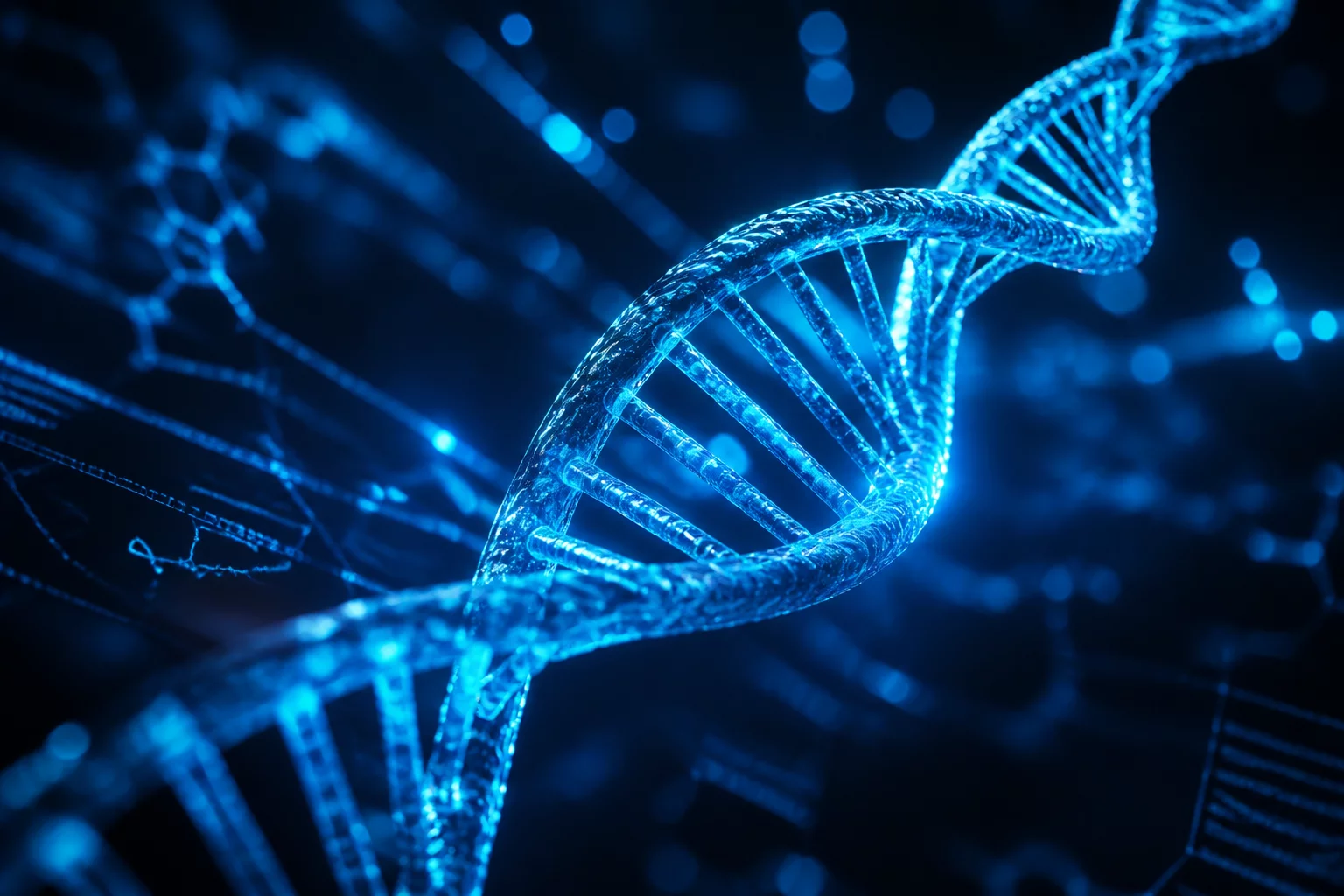
Decoding DNA: The Blueprint of Life Explained
Learn how nucleotides connect to create our genetic blueprint and regulate cellular instructions across living systems with elegant biochemical precision.
Cytogenetics
08/19/2026
Understanding Chromosomes and Cellular Division
Discover how microscopic chromosomal bundles safely store genetic information and distribute DNA during meiosis and mitosis phases cleanly.
Heredity
08/11/2026
How Dominant and Recessive Traits Are Inherited
Explore Mendel laws of inheritance and see why unique physical features like eye color or height travel through generations predictably.
Diagnostics
07/30/2026
A Guide to Modern DNA and Genetic Testing
Find out how contemporary saliva and blood genetic test assays decode personal genealogical history and hereditary predispositions reliably.
Genomics
07/15/2026
The Human Genome Project: Milestones and Impact
Review how sequencing over three billion base pairs transformed biomedical research and opened doors for individualized genomic health awareness.
Epigenetics
06/28/2026
Epigenetics: How Environment Influences Genes
Understand how external conditions and lifestyle factors can switch genes on or off without altering the fundamental underlying sequence.
Article
Article Title
08/24/2026
Educational Guide•
DNA, Genes, and Heredity: How It Works
An in-depth look at human genetics, the molecular foundations of biological traits, and the unique patterns passed down through generations.
What is DNA?
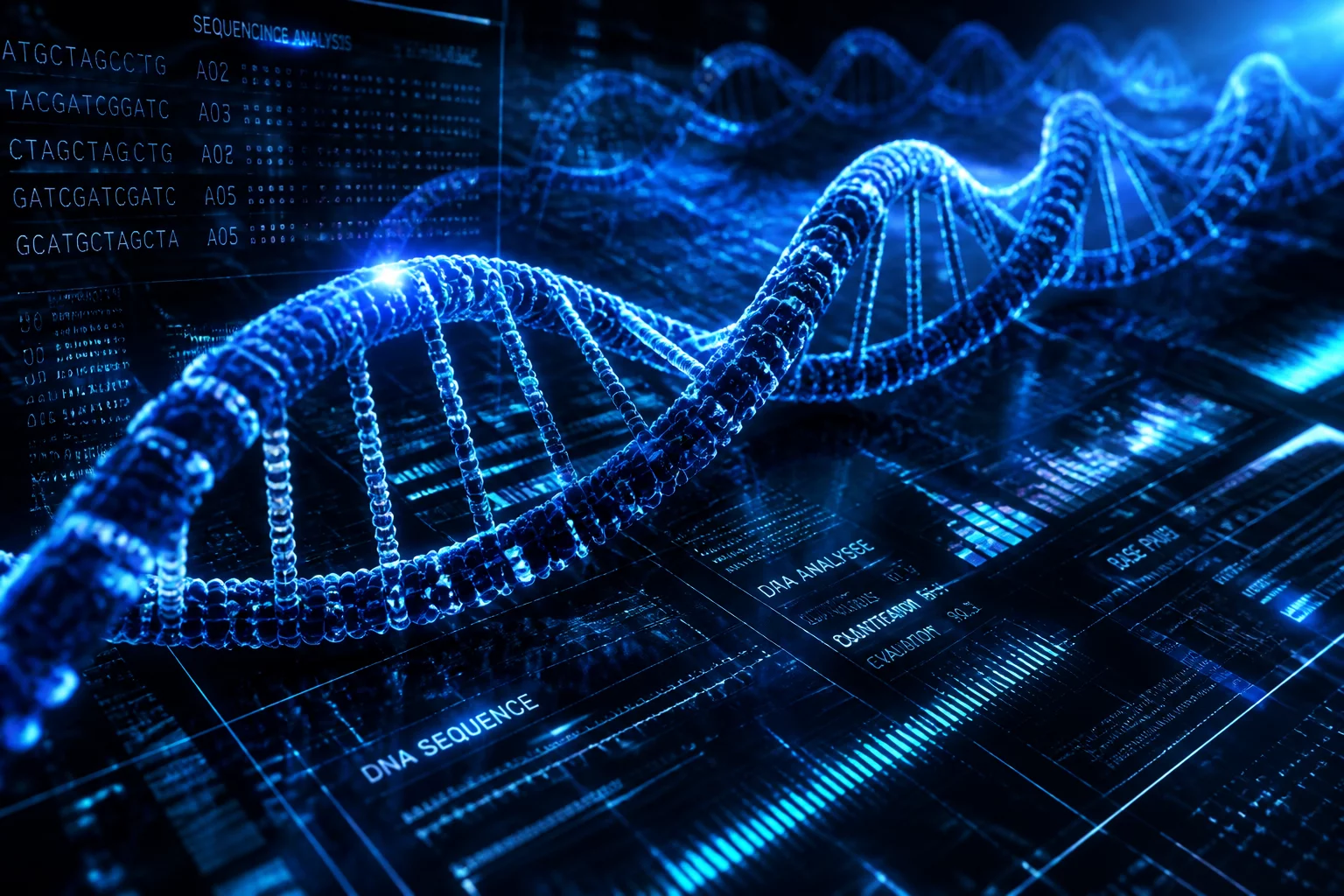
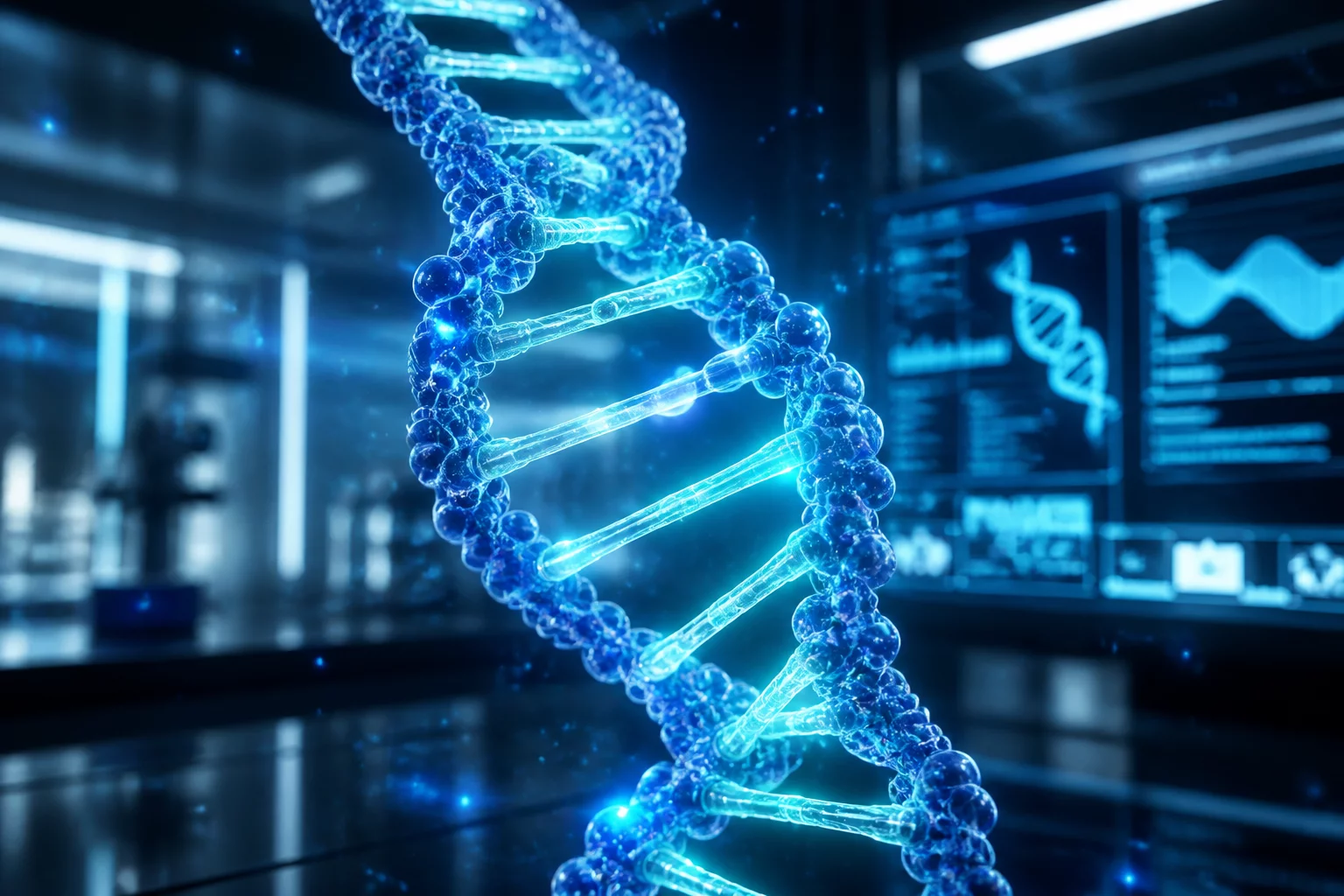
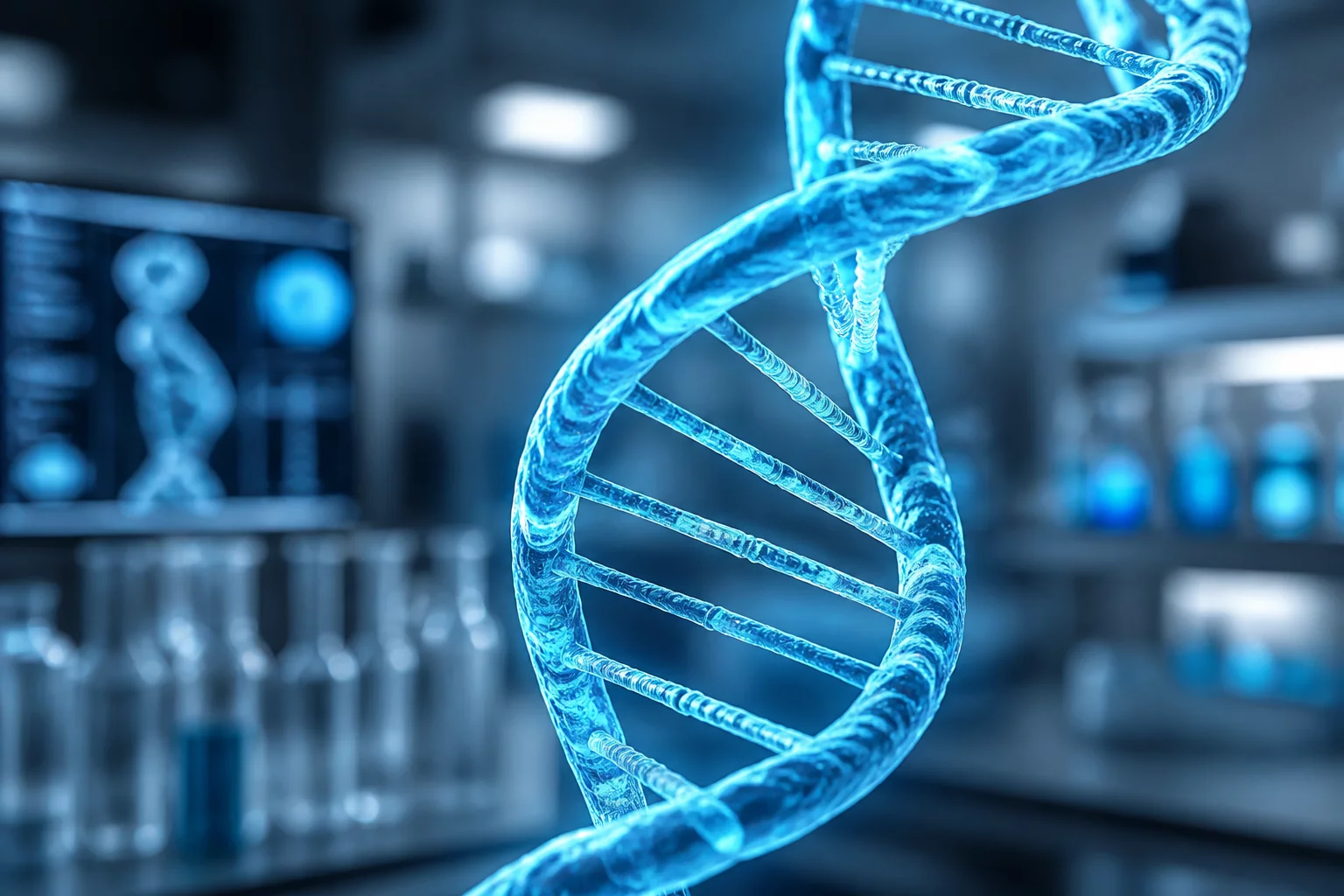
Deoxyribonucleic acid, commonly known as DNA, serves as the fundamental biological blueprint for all living organisms. Shaped like a spiraling double helix, this remarkable molecule resides inside the nucleus of almost every cell in the human body. The entire chain consists of four distinct chemical building blocks known as nucleotide bases: adenine, thymine, cytosine, and guanine. The unique sequence of these base pairs forms the exact instructions required to synthesize proteins, build organs, and regulate biochemical processes.
What are Genes?
Genes are specific functional segments along the continuous strand of DNA. If DNA is considered the complete biological encyclopedia of your organism, an individual gene corresponds to a single sentence or paragraph detailing instructions for a particular characteristic. Humans carry approximately twenty to twenty-five thousand protein-coding genes. When you access personal genomics platforms via a 23andme login or review biological reports, you explore precisely how variations in these coding segments shape specific traits.
The Structure of Chromosomes
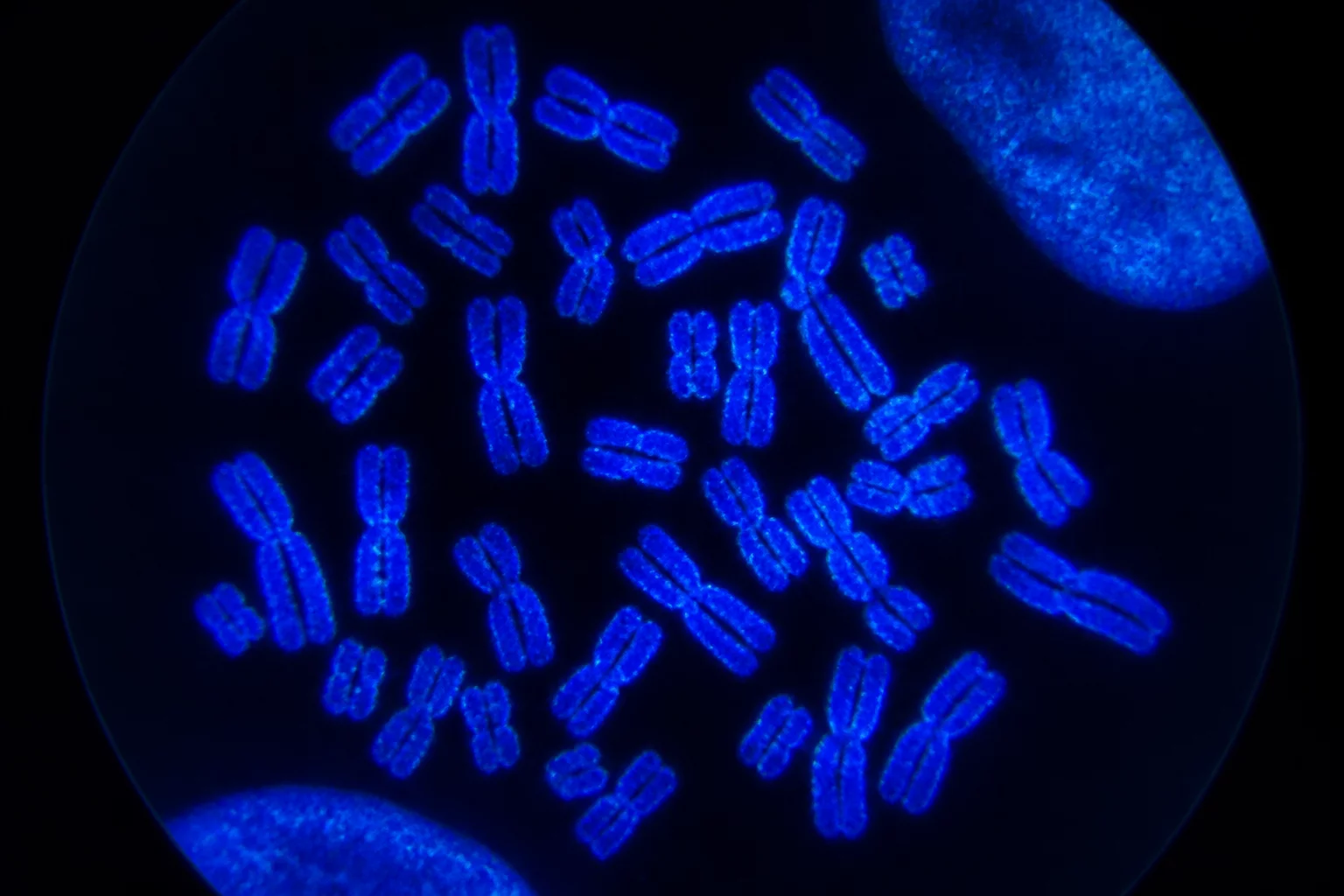
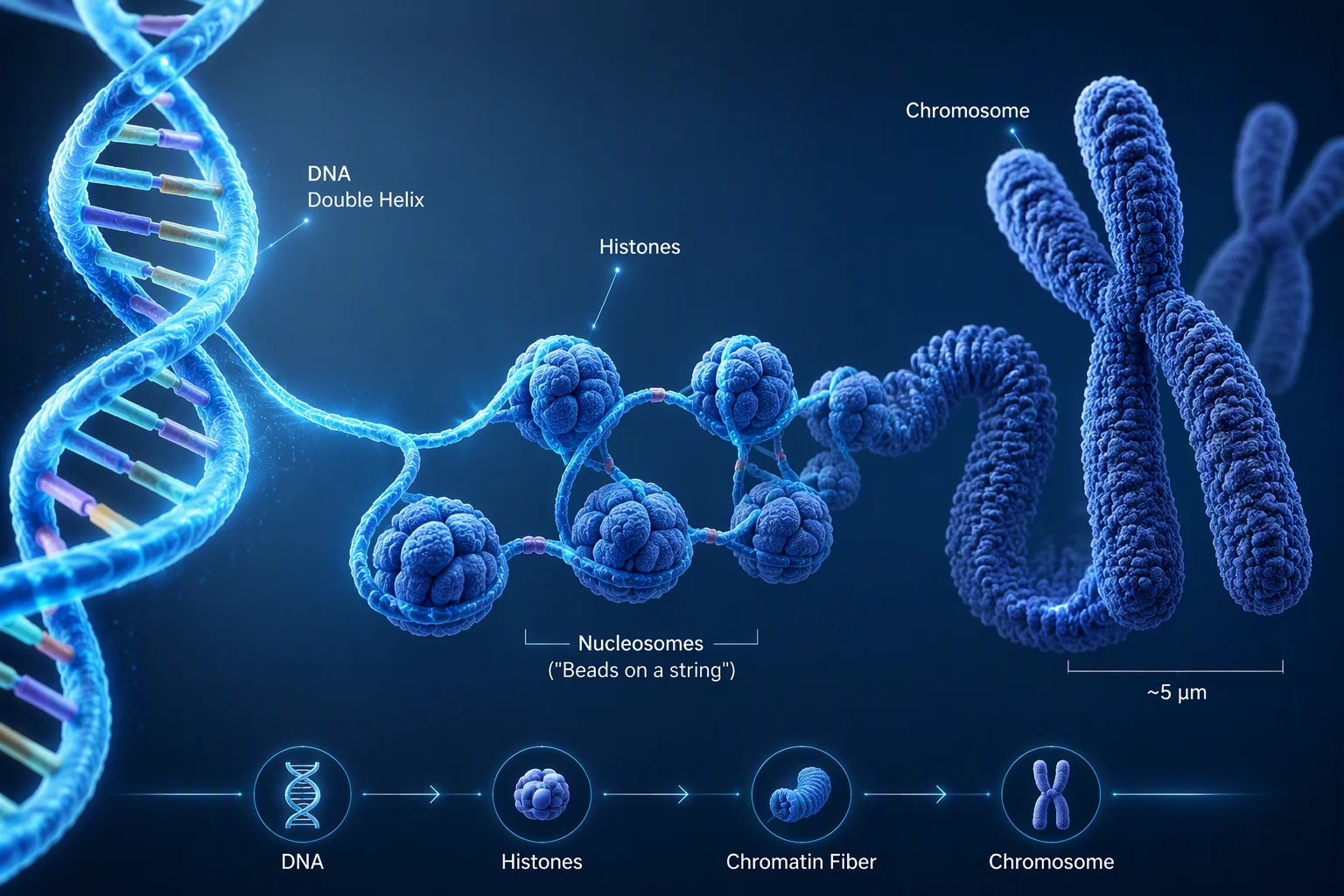
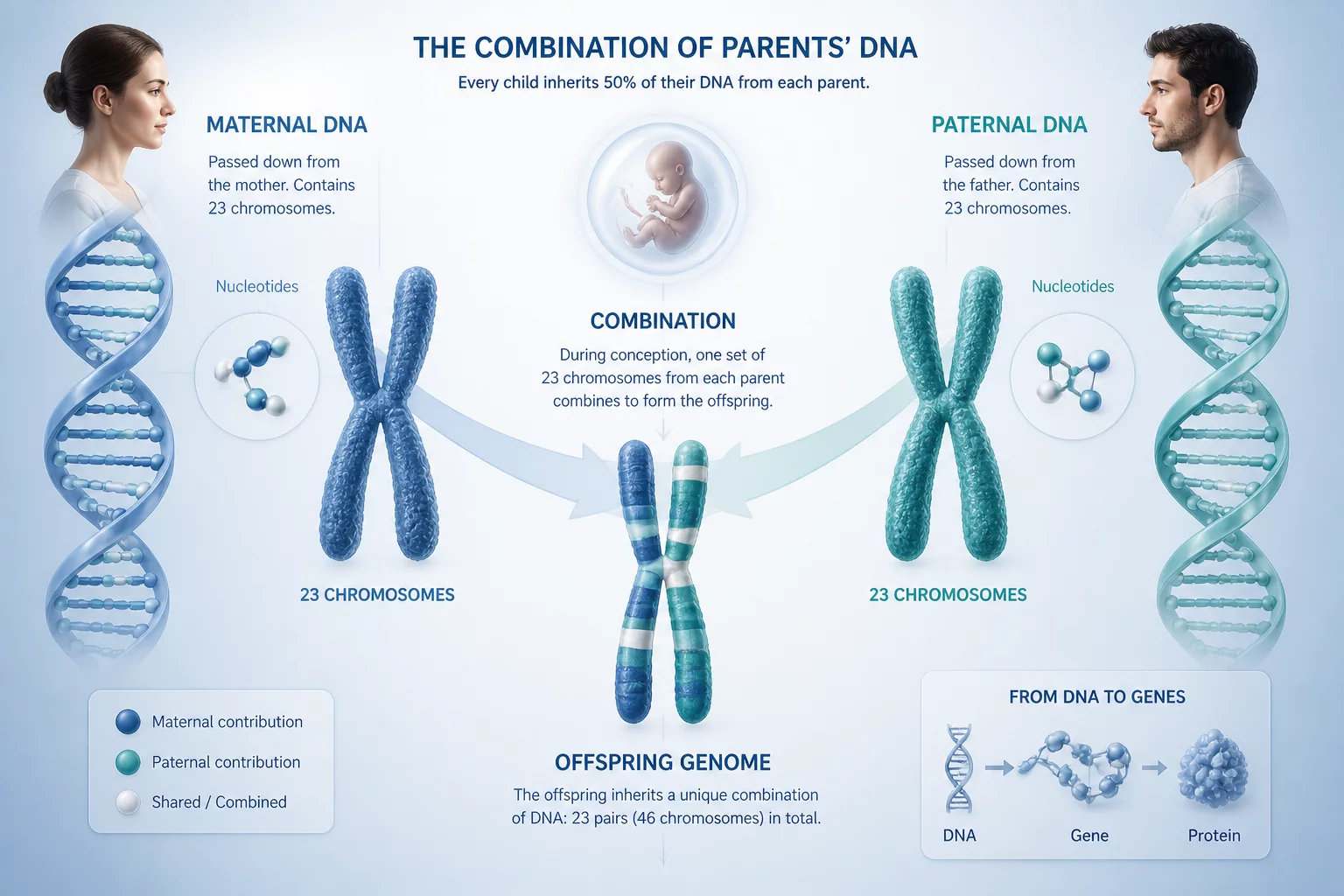
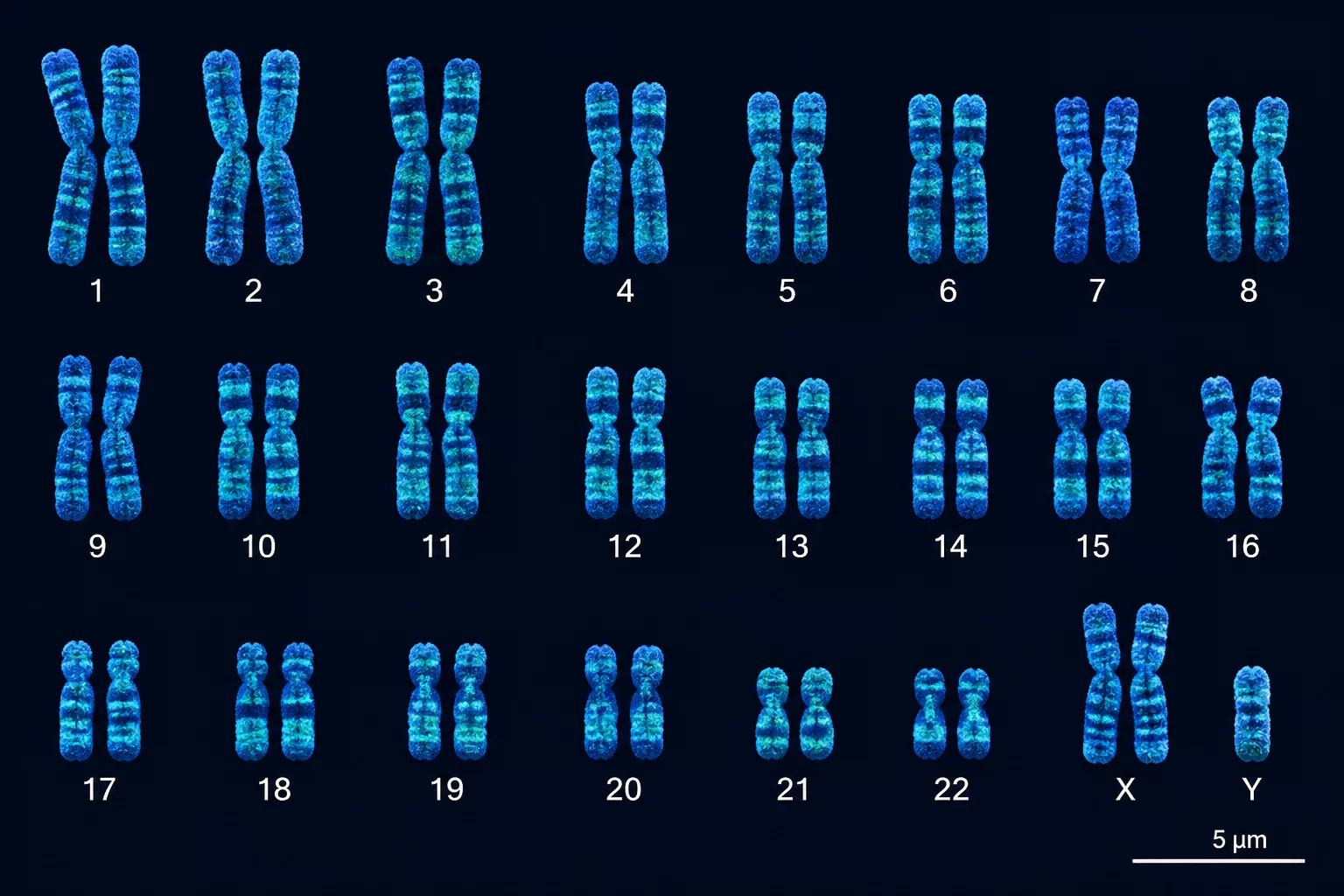
To fit inside microscopic cell nuclei, DNA wraps tightly around specialized structural proteins called histones, forming dense packages known as chromosomes. Typically, humans possess 46 chromosomes organized into 23 distinct pairs. Twenty-two pairs are autosomes, while the final pair determines biological sex. Exploring platforms like my23and me reveals how these 23 pairs carry your ancestry markers, providing a detailed visual map of inherited chromosomes.
Figure 1: Organization of the double helix condensing into functional chromosomes.
Mechanisms of Genetic Inheritance from Parents
During reproduction, parents contribute biological material through specialized reproductive cells containing only half the usual chromosome set. When fertilization takes place, 23 chromosomes from the maternal line combine with 23 chromosomes from the paternal line. Consequently, every individual inherits two copies of each gene, known as alleles. Traits depend heavily on whether alleles are dominant, masking alternate variants, or recessive, requiring two identical copies to express visually.
Similarities and Variations Among Relatives
A fascinating element of human genetics is why siblings share similarities yet remain unmistakably distinct. During gamete formation, a phenomenon called genetic recombination or crossing over exchanges physical sections between paired chromosomes. This natural reshuffling creates trillions of possible genetic combinations. When testing your lineage through services associated with 23 and m, you observe how random chromosome assortment explains why cousins or siblings share varying percentages of matching DNA segments.
Figure 2: Recombination mechanism during inheritance and generational trait transmission.
Environmental Impact Complementing Genetics
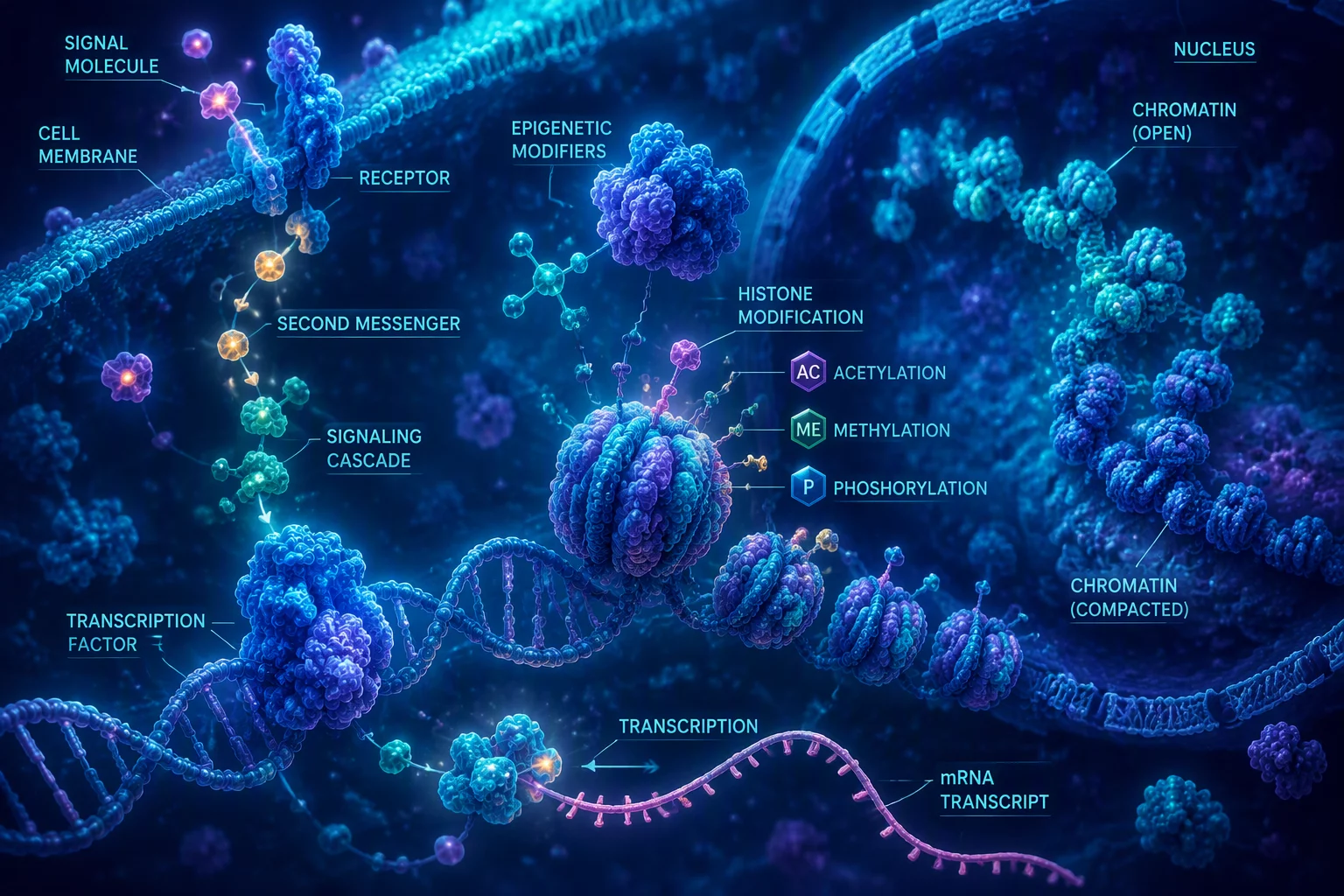
While inherited nucleotide codes remain constant throughout lifespan, gene expression is dynamically regulated by the surrounding environment—a scientific field known as epigenetics. External factors such as nutrition, physical activity, sleep cycles, and stress levels introduce molecular tags that turn specific genes on or off without altering the underlying DNA sequence. Heredity establishes biological potential, while daily environmental interaction determines the ultimate outcome.
Key Takeaway
Human biology represents a continuous, harmonious interplay between the 23 pairs of chromosomes inherited from ancestors and ongoing epigenetic influences. Comprehending DNA architecture offers profound clarity on personal heritage, biological commonalities, and individual diversity.
Core Biology Fundamentals
Understanding DNA, Genes, and Human Heredity
Explore the microscopic blueprints that shape our biological architecture, cellular inheritance, and individual physical traits through clear scientific concepts.
What is the Human Genome
The human genome represents the comprehensive library of biological instructions required to construct, sustain, and regulate every human cell. Comprising over three billion chemical base pairs packaged across twenty-three pairs of chromosomes, this genetic catalog contains both protein-coding genes and crucial regulatory regions. Non-coding segments, once considered non-functional, coordinate cellular activation sequences and safeguard molecular stability across developmental life cycles.
3.2 Billion Base Pairs Encoded
How the DNA Molecule is Structured
Deoxyribonucleic acid forms an elegant double helix ladder consisting of repeating sugar-phosphate backbones intertwined with complementary nitrogenous bases. Adenine consistently pairs with thymine through two hydrogen bonds, while cytosine bonds exclusively with guanine across three hydrogen linkages. This strict biochemical complementarity enables flawless biological replication during cellular division, ensuring hereditary stability across countless cell divisions while facilitating RNA transcription pathways.
Double-Helix Molecular Architecture
Understanding Chromosomes and Genes
Chromosomes are densely compacted bundles of chromatin where meters of elongated DNA thread tightly around histone protein spools within the cell nucleus. A gene is a dedicated functional sequence along this vast strand that specifies how to assemble specific functional proteins or regulatory RNA transcripts. While a chromosome serves as an entire storage container, discrete genes represent individual functional chapters dictating physiological traits.
23 Chromosomal Pairs in Humans
Foundational Genetics
Understanding Human Heredity and Genetic Code
Human heredity represents the intricate biological transfer of DNA traits from parents to offspring. From noticeable facial similarities to unique microscopic cellular instructions, our genetic architecture determines physical appearance, underlying biological mechanisms, and individual variations.
Parental Resemblance
Children inherit 23 chromosomes from each parent, creating a balanced 50/50 genetic combination that shapes facial structures, expressions, and physical stature.
Balanced Inheritance
Eye Color Patterns
Eye coloration is a polygenic trait dictated by multiple gene interactions and melanin concentration in the iris rather than a single dominant factor.
Polygenic Pigmentation
Sibling Diversity
Independent chromosome assortment and genetic recombination ensure that non-identical siblings share approximately half their DNA while maintaining distinct identities.
Unique Recombination
Genes & Environment
Epigenetics demonstrates how daily routines, environmental conditions, and lifestyle habits dynamically influence gene activity without altering DNA code.
Epigenetic Dynamic
Educational Genetic Library
Genetic Testing Essentials and Fundamentals
Explore detailed overviews regarding biological collection methods, sequencing processes, trait markers, and responsible report interpretation for everyday genetics.
08/14/20265 min overview
How a DNA Test Works
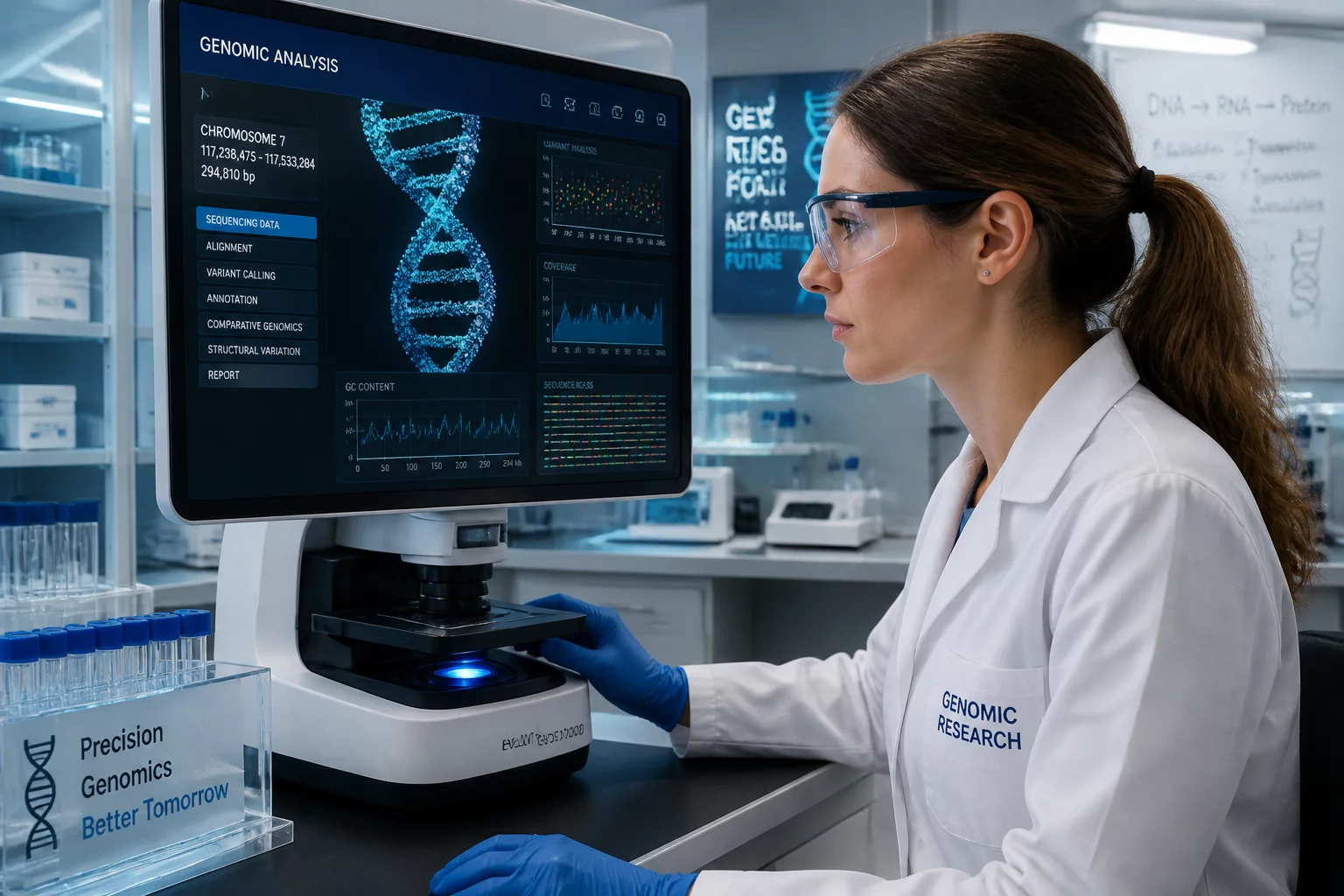
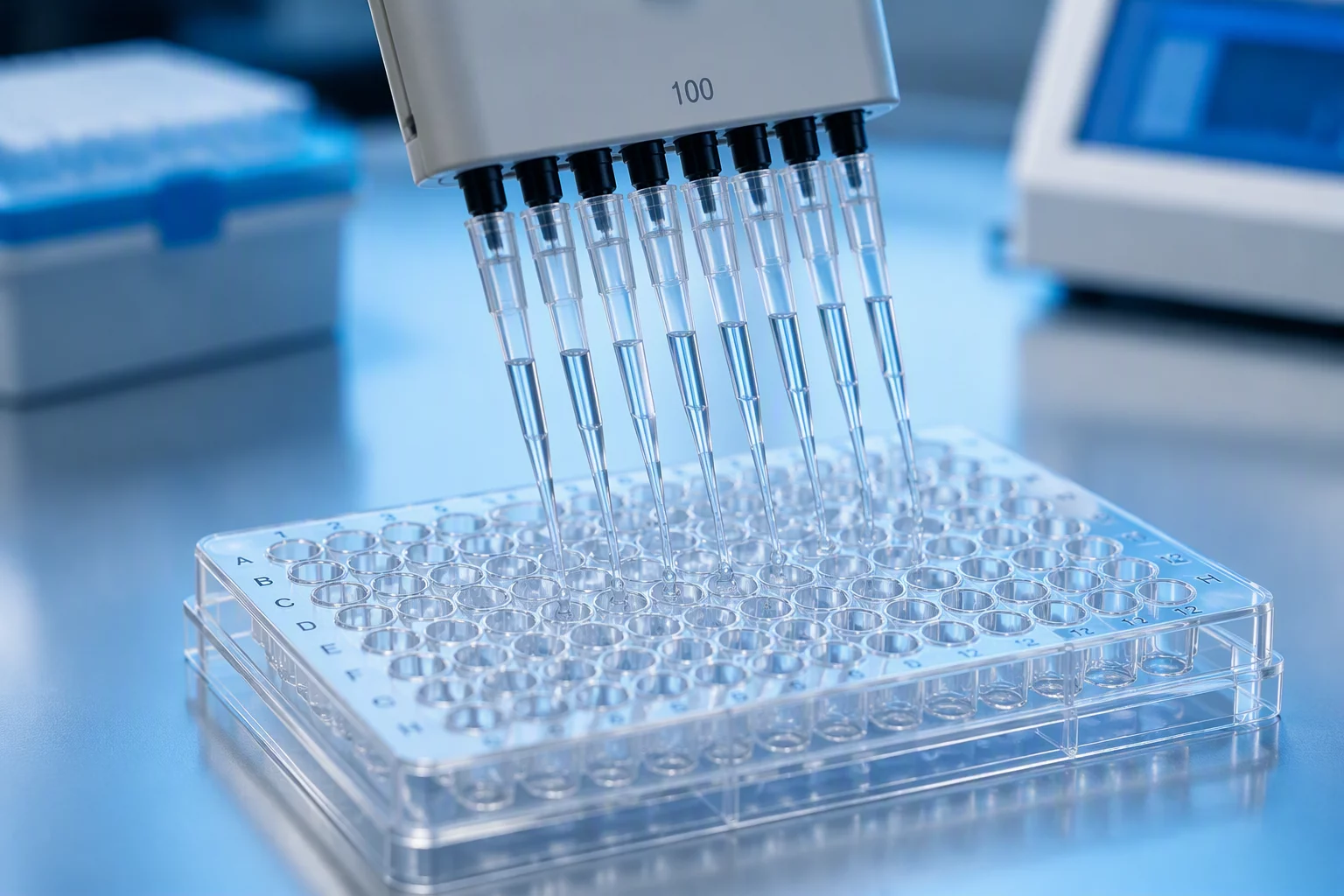
At-home genetic sequencing operates through advanced microarray hybridization and targeted sequencing pipelines. When consumers evaluate commercial direct-to-consumer platforms, frequently exploring queries like 23n me, the laboratory workflow begins by isolating cellular content to extract high-molecular-weight genomic material. Robotic instruments amplify designated nucleotide regions to examine hundreds of thousands of single nucleotide polymorphisms across the human genome. Specialized sensors identify base variations against reference catalogs without modifying biological structures. This data conversion generates raw electronic genotypes that algorithms subsequently compare with baseline demographic populations. The standard procedure ensures high analytical reproducibility for statistical lineage mapping and non-clinical trait correlations.
MicroarrayGenotypingSNPs
08/21/20266 min overview
Biological Samples Used for Genetic Analysis
Genetic testing relies on harvesting viable nucleated cells, predominantly via oral epithelial swabbing or liquid saliva collection. When individuals order kits similar to modern variations often searched as 23abd me, the collection tube contains stabilizing liquid buffer solutions that inhibit enzymatic degradation and prevent bacterial overgrowth during postal transport. White blood cells and shed buccal mucosal cells provide sufficient genomic purity for standard laboratory digestion assays. Specialized lysis buffers dissolve outer cellular membranes and lipid bilayers, freeing intact double-stranded helices for precipitation. Clean isolation protocols prevent environmental contamination, ensuring that the isolated genetic template accurately reflects individual constitutional heritage for population research studies.
Saliva SampleBuccal CellsCellular Lysis
08/29/20265 min overview
What an Ancestry & Trait Test Can Reveal
Ancestry and physical trait testing evaluates autosomal markers, mitochondrial lineages, and non-recombining chromosomal segments. Popularly researched alongside test providers under aliases like 23and e, these examinations provide probabilistic estimates of biogeographical heritage by referencing diverse world populations. In addition to regional composition maps, consumer platforms illustrate non-medical phenotypic associations, such as bitter taste perception, lactose tolerance variations, circadian rhythm inclinations, and hair structure characteristics. These results showcase fascinating biological diversity rather than definitive medical diagnoses, highlighting how ancient migration patterns and ancestral adaptations helped shape the distinctive phenotypic landscape found throughout diverse modern human communities.
BiogeographyAutosomal DNAPhenotypes
09/04/20267 min overview
How to Read Your Genetic Reports
Interpreting personal genetic summaries requires an understanding of statistical likelihoods rather than deterministic outcomes. When navigating online dashboards or exploring consumer genetics queries like 23qnd me, user interfaces typically present confidence intervals, allele variant notations, and reference database sizes. A reported percentage indicates historical genetic similarity to curated modern reference groups rather than a literal blood fraction. Furthermore, complex traits follow polygenic inheritance patterns where numerous subtle loci interact concurrently with daily environmental factors. Gaining literacy in homozygous versus heterozygous states empowers readers to appreciate their personal genomic architecture through a balanced, evidence-informed educational lens.
AllelesConfidence IntervalsPolygenic
Core Genetic Principles
Popular Topics in Human Genetics
Explore fundamental biological concepts that shape our individuality, evolutionary history, and cellular architecture explained in clear terms.
Spotlight Focus
The Uniqueness of Human DNA
Every human shares approximately 99.9% of their genetic code with all other humans. The remaining 0.1% consists of millions of single nucleotide polymorphisms (SNPs) and structural variants that determine unique physical features, metabolic rates, and natural ancestral markers.
99.9%
Universal human sequence
3.2 Billion
Base pairs per genome
Individual variation accounts for over 3 million specific base differences.
Non-coding sequences play vital roles in regulating gene activation.
Updated 08/24/2026Genomic Overview
Genes in the Genome
The human genome contains roughly 20,000 to 25,000 protein-coding genes, representing less than 2% of total cellular DNA length.
20K - 25KCoding Genes
Identical Twins
While monozygotic twins start with identical genome sequences, chemical epigenetic modifications accumulate across lifetimes.
EpigeneticsDynamic Drift
DNA Mutations
Mutations are natural sequence alterations caused by replication errors or environmental factors, serving as the raw substrate for evolution.
VariationsMolecular Shift
Eye Color Genetics
Human iris pigmentation is a polygenic trait governed by multiple chromosomal regions, predominantly the OCA2 and HERC2 gene interactions.
PolygenicMulti-Gene Trait
Genomics Dispatch
Breakthrough Research & Modern Discoveries
Explore verified findings in genome mapping, molecular biology, and predictive DNA profiling from leading international laboratories.
Sequencing
Ultra-Fast Polymerase Reads
Innovative sequencing models achieve rapid base-pair identification and help researchers observe cellular transcription with cleaner resolution.
Gene Editing
Targeted Epigenetic Fixes
New trials reveal how refined algorithms isolate hereditary markers while precision editing corrects faulty transcription across simulated biological models.
Ancestry
Ancient Haplotype Mapping
Cataloging prehistoric lineage clusters shows how migration pathways unfold through mitochondrial markers and shared chromosomal segments.
Biomarkers
Automated Trait Profiling
Modern screening protocols connect biomarker patterns with inherited traits, helping labs classify individual variation more quickly and consistently.
Research
Research Title
08/14/2026
Stay Updated with Genetics Digest
Explore the latest discoveries in DNA research, human traits, and modern genomic science delivered directly to your inbox once a week.
Strictly No Spam
Weekly Summary
Secure & Confidential
We use cookies to enhance your browsing experience, analyze site traffic, and deliver personalized educational content. Learn more in our Cookie Policy.
Cookie Preferences
Essential CookiesRequired for site navigation, security, and basic operations.
Analytics CookiesHelp us analyze reader trends and popular genetic topics.
Marketing CookiesUsed to show relevant informational updates and newsletter notices.
 Molecular Biology